


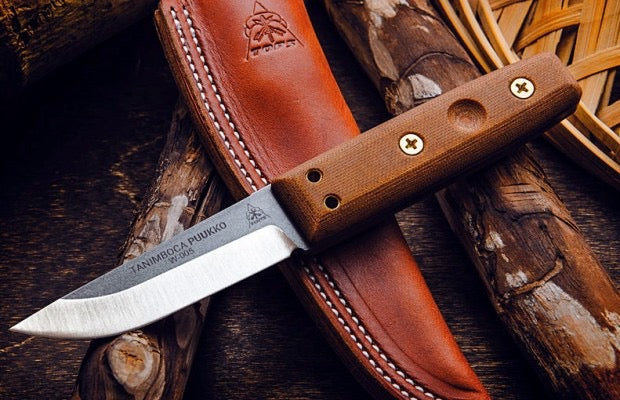
In the vast and varied world of fixed-blade knives, certain designs stand out for their inherent practicality and historical significance. The puukko is undoubtedly one of these icons. More than just a knife, the puukko embodies the resourcefulness and connection to nature of the Nordic people who forged it. For today's outdoor enthusiast and bushcrafter, understanding the puukko is not just appreciating history; it's recognizing a highly functional tool that can still be an invaluable companion in the wilderness.
What is a Puukko Knife Used For?
The puukko is a general-purpose utility knife, designed for a wide range of tasks essential for survival, crafting, and everyday life in the demanding Nordic environment. Traditionally, it was the everyday carry for both men and women, used for everything from:
-
Woodworking: Carving, whittling, making tools, preparing firewood (though not typically for heavy splitting).
-
Food Preparation: Processing game, fish, and preparing meals.
-
Crafting: Working with leather, textiles, and other materials.
-
Hunting and Fishing: Skinning game, gutting fish, and general camp chores.
-
Self-Defense (Historically): While primarily a tool, its sturdy construction could also serve a defensive purpose if needed.
The emphasis is on versatility and controlled cutting. The typical puukko design reflects this: a relatively short, often straight-backed blade with a single bevel, designed for pushing cuts and fine work.
Origins and History: A Blade Forged by the North
The origins of the puukko can be traced back centuries in the Nordic countries, particularly Finland and Scandinavia. Its development is deeply intertwined with the practical needs of the people who relied on the land for their sustenance. While exact dates are difficult to pinpoint, knives with similar characteristics have been found in archaeological digs dating back to the Viking Age.
The word "puukko" itself is believed to derive from the Proto-Finnic word "puuk", meaning "wood" or "handle," highlighting the importance of the handle in the knife's construction and perhaps its primary use in woodworking.
Over time, the puukko evolved into various regional styles, each often reflecting the specific needs and resources of the area. Variations in blade length, shape, handle materials (birch bark being a classic choice), and even sheath design emerged.9 However, the core principles of a robust, reliable, and versatile cutting tool remained constant. The puukko wasn't a weapon of war or a fancy showpiece; it was a fundamental tool for survival and daily life.
The Puukko's Benefits in Today's Outdoor and Bushcraft World
In our modern world, surrounded by specialized gear, the simple elegance and functionality of the puukko still hold significant benefits for the outdoor enthusiast and bushcrafter:
-
Versatility: Its general-purpose design means you can rely on a single tool for a multitude of tasks, reducing the need to carry multiple specialized knives.From carving tent pegs to preparing kindling, the puukko excels.
-
Control and Precision: The often straight blade and single bevel allow for excellent control, making it ideal for detailed carving, feather sticking, and precise cuts needed for trap making or gear repair.
-
Robustness and Reliability: Puukkos are typically built with a full tang (where the blade steel extends through the handle) or a very deep stick tang, ensuring strength and durability for demanding tasks.
-
Ease of Sharpening: The single bevel design is generally straightforward to sharpen in the field, often requiring just a flat stone.
-
Connection to Tradition: Using a puukko connects you to a rich history of self-reliance and craftsmanship, adding a deeper appreciation to your time in the outdoors.
-
Legal Considerations: In many areas, the typically shorter blade length of a puukko may be more legally permissible for everyday carry than larger tactical knives.
Fascinating Facts About the Puukko:
-
The Tang: Traditional puukkos often feature a "rat tail" or hidden stick tang that runs deep into the handle, secured with a ferrule. Modern interpretations often utilize a more robust full tang for added strength.
-
The Bevel: The single, often Scandinavian (Scandi) grind is a hallmark of many puukkos. This grind is excellent for woodworking and creates a very sharp edge that is relatively easy to maintain.
-
Handle Materials: Traditional handles were often made from naturally sourced materials like birch bark, curly birch, or antler, shaped for a comfortable and secure grip even in cold or wet conditions.
-
Sheath Design: Puukko sheaths are typically simple and functional, often made of leather or wood, designed to carry the knife securely and close to the body.
-
Cultural Significance: In Finland, the puukko holds cultural significance and is often seen as a symbol of national identity and craftsmanship.

When a Puukko Might Not Be the Ideal Choice:
While versatile, the puukko's design has limitations for certain heavy-duty tasks:
-
Heavy Batoning and Wood Splitting: The typically shorter and often thinner blade stock of a puukko is not ideal for aggressively splitting large logs. While it can handle light batoning for kindling preparation, forcing it through thick, knotty wood can risk damage. For heavy wood processing, a thicker, more robust blade designed for batoning is more suitable.
-
Chopping: The lighter weight and shorter blade length of most puukkos make them less efficient for heavy chopping tasks compared to larger knives like machetes or axes.
-
Prying: While sturdy, a puukko is primarily a cutting tool. Using it for heavy prying can put undue stress on the blade and tang, potentially leading to breakage.
The Enduring Legacy: A Design That Works
The puukko is not a trendy, tactical blade designed for extreme scenarios. It is a thoughtfully designed tool born from necessity, refined over centuries by people who lived intimately with the land. Its enduring popularity in the modern outdoor and bushcraft world speaks volumes about its inherent practicality and efficiency.
For those seeking a reliable, versatile, and controllable fixed blade for a wide range of bushcraft and outdoor tasks, the puukko remains an exceptional choice. Its simple yet effective design, rooted in tradition, offers a connection to the past while providing a capable and dependable tool for the adventures of today. Embrace the spirit of the North and experience the enduring legacy of the puukko – a true companion for the wilderness.
Share:
Best Bushcraft Knife Steels in 2025
Limited Sale: Benchmade Balisong Necron 99 - $395